Limited map-color change. Most colors stay the same, but they show future land use, not today's buildings. Residential Low can include six-plexes and lot splits. Residential High can include apartments. Building rules come later.
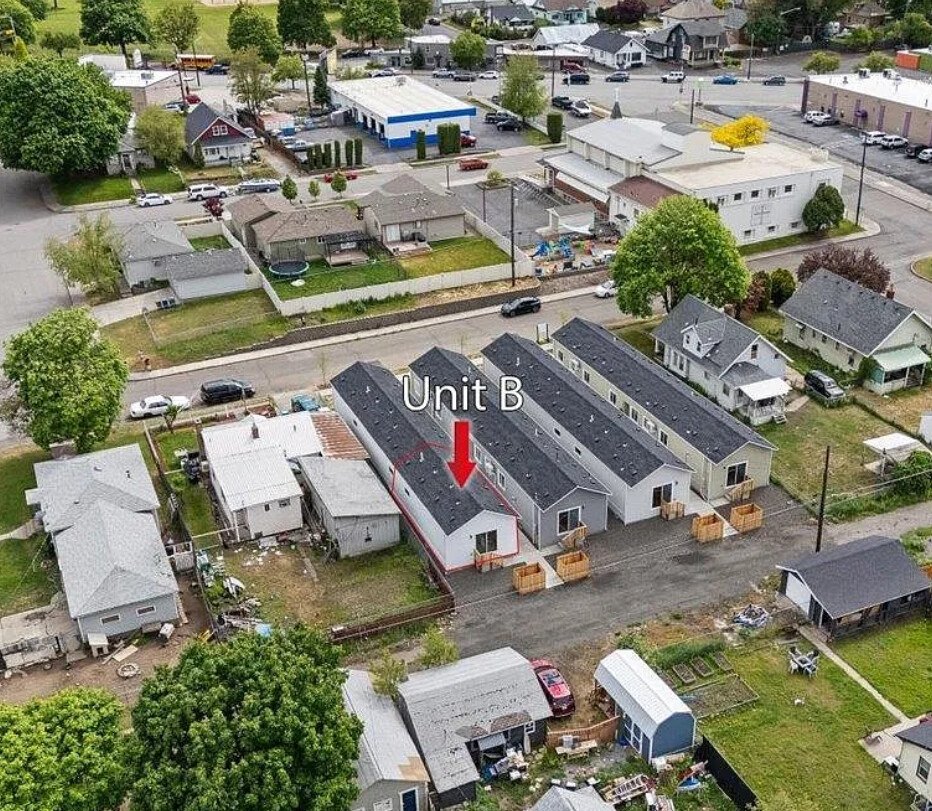
Residential LowSix-plexes can now sit next to houses. A larger lot may also be split into several legal lots. What could this look like?
Residential High15–40 dwelling units/acreApartments and other higher-density housing.What is a dwelling unit?
Mixed Use10–45 dwelling units/acreApartments with shops, services, offices, and public spaces.
More ColorsFewer Colors
Commercial20–45 dwelling units/acreNot shown on this map.
Institutional20–40 dwelling units/acreHospitals, colleges, public facilities, and supporting housing.
Downtown40–60 dwelling units/acreApartments, businesses, entertainment, and public spaces.
Limited map-color change. Most colors stay the same, but they show future land use, not today's buildings. Residential Low can include six-plexes and lot splits. Residential High can include apartments. Building rules come later.
Residential LowSix-plexes can now sit next to houses. A larger lot may also be split into several legal lots. What could this look like?
Residential High15–40 dwelling units/acreApartments and other higher-density housing.What is a dwelling unit?
Mixed Use10–45 dwelling units/acreApartments with shops, services, offices, and public spaces.
More ColorsFewer Colors
Commercial20–45 dwelling units/acreStores, services, offices, and housing.
Institutional20–40 dwelling units/acreHospitals, colleges, public facilities, and supporting housing.
Downtown40–60 dwelling units/acreNot shown on this map.
No map-color change. These colors show future land use, not today's buildings. Residential Low can include six-plexes and lot splits. Residential High can include apartments. Building rules come later.
Residential LowSix-plexes can now sit next to houses. A larger lot may also be split into several legal lots. What could this look like?
Residential High15–40 dwelling units/acreApartments and other higher-density housing.What is a dwelling unit?
Mixed Use10–45 dwelling units/acreApartments with shops, services, offices, and public spaces.
More ColorsFewer Colors
Commercial20–45 dwelling units/acreNot shown on this map.
Institutional20–40 dwelling units/acreNot shown on this map.
Downtown40–60 dwelling units/acreNot shown on this map.
No map-color change. These colors show future land use, not today's buildings. Residential Low can include six-plexes and lot splits. Residential High can include apartments. Building rules come later.
Residential LowSix-plexes can now sit next to houses. A larger lot may also be split into several legal lots. What could this look like?
Residential High15–40 dwelling units/acreApartments and other higher-density housing.What is a dwelling unit?
Mixed Use10–45 dwelling units/acreApartments with shops, services, offices, and public spaces.
More ColorsFewer Colors
Commercial20–45 dwelling units/acreStores, services, offices, and housing.
Institutional20–40 dwelling units/acreNot shown on this map.
Downtown40–60 dwelling units/acreApartments, businesses, entertainment, and public spaces.
No map-color change. These colors show future land use, not today's buildings. Residential Low can include six-plexes and lot splits. Residential High can include apartments. Building rules come later.
Residential LowSix-plexes can now sit next to houses. A larger lot may also be split into several legal lots. What could this look like?
Residential High15–40 dwelling units/acreApartments and other higher-density housing.What is a dwelling unit?
Mixed Use10–45 dwelling units/acreApartments with shops, services, offices, and public spaces.
More ColorsFewer Colors
Commercial20–45 dwelling units/acreStores, services, offices, and housing.
Institutional20–40 dwelling units/acreHospitals, colleges, public facilities, and supporting housing.
Downtown40–60 dwelling units/acreNot shown on this map.
No map-color change. These colors show future land use, not today's buildings. Residential Low can include six-plexes and lot splits. Residential High can include apartments. Building rules come later.
Residential LowSix-plexes can now sit next to houses. A larger lot may also be split into several legal lots. What could this look like?
Residential High15–40 dwelling units/acreApartments and other higher-density housing.What is a dwelling unit?
Mixed Use10–45 dwelling units/acreApartments with shops, services, offices, and public spaces.
More ColorsFewer Colors
Commercial20–45 dwelling units/acreNot shown on this map.
Institutional20–40 dwelling units/acreHospitals, colleges, public facilities, and supporting housing.
Downtown40–60 dwelling units/acreApartments, businesses, entertainment, and public spaces.